
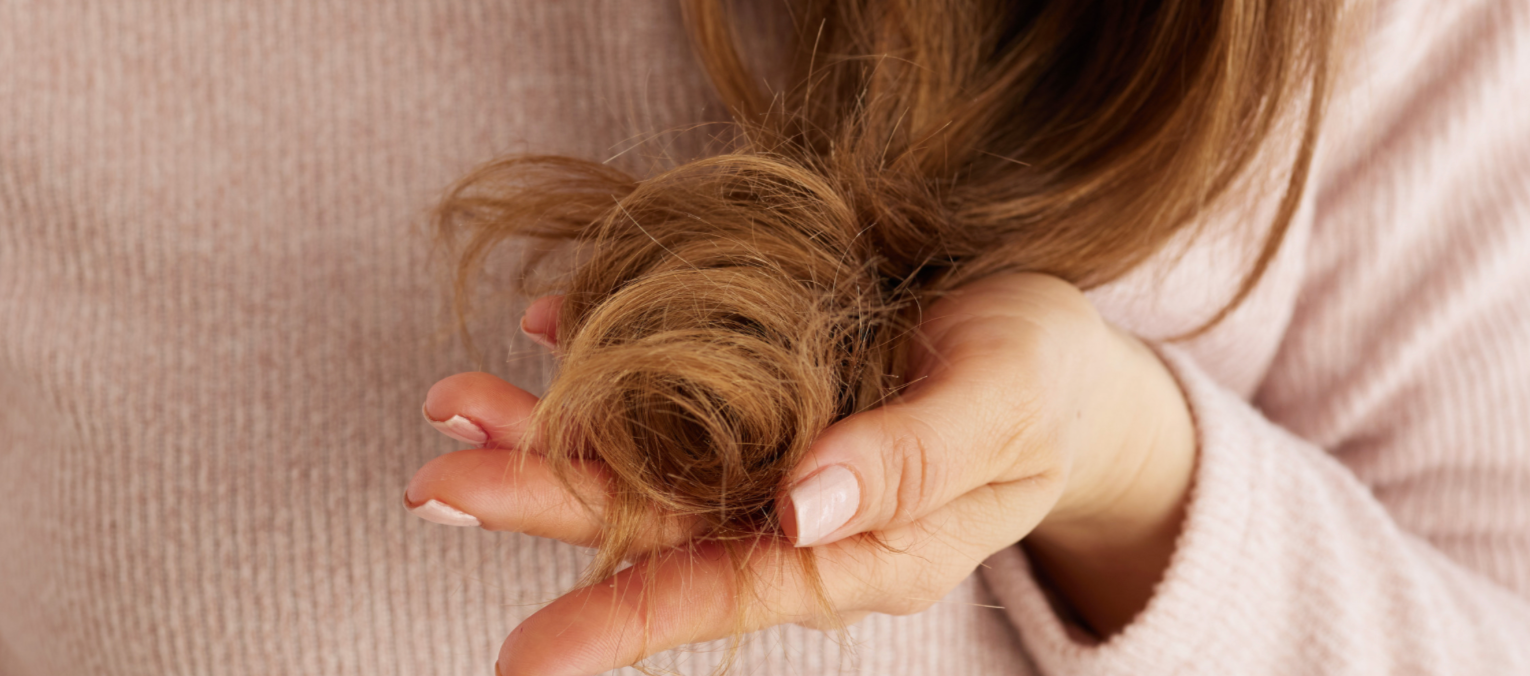
How Your Hair Changes as You Age, and What It Needs Now
We expect our skin to change with age. We change moisturisers, rethink make-up and become suspiciously interested in anything described as “restorative”. Hair, however, is often expected to continue behaving exactly as it did at 25.
It usually does not.
Over time, hair may become finer, drier, less dense, more fragile or simply different in texture. Grey hair may feel coarser or more wiry. Curls can loosen, tighten or become less predictable. A routine that once worked perfectly can suddenly leave the roots flat and the ends parched.
Why does hair change?
Hair is influenced by genetics, hormones, health, medication, nutrition, chemical services and accumulated environmental and mechanical stress. Female pattern hair loss also becomes more common through midlife, often first appearing as a widening part or reduced ponytail density.
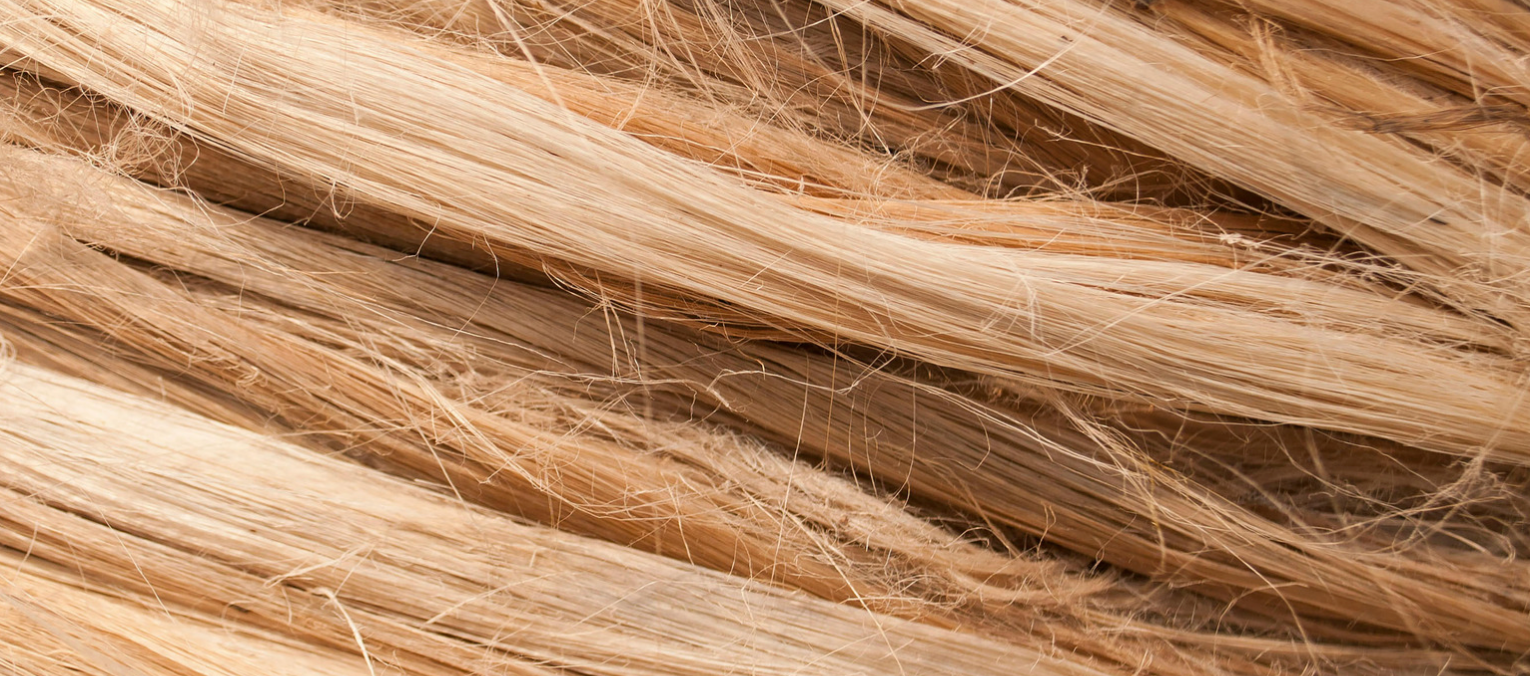
The scalp changes too. Oil production can shift, and individual hair fibres may become smaller in diameter. Meanwhile, years of colouring, lightening, heat styling and ordinary wear can make the lengths more vulnerable to breakage.
The result is often a combination problem: less oil at the ends, less density at the roots and hair that no longer tolerates aggressive styling.
The answer is not necessarily “more product”
Mature or changing hair does not automatically need the heaviest formula available. Too much rich product can flatten finer roots while failing to address damage through the ends.
A better routine separates scalp needs from length needs.
1. Clean the scalp properly
Apply cleanser primarily to the scalp and roots. Massage gently with the fingertips, then allow the lather to move through the lengths as you rinse. If the scalp is oily or there is significant build-up, two gentle cleanses may work better than one aggressive scrub.
2. Condition the vulnerable areas
Concentrate conditioner through the mid-lengths and ends, where the hair is oldest and has experienced the most wear. Choose moisture when hair feels rough, dull or thirsty. Introduce strengthening care when it feels weak, overly stretchy or prone to snapping.
3. Reduce unnecessary damage
Lower the temperature of hot tools, avoid pulling styles too tightly and detangle with patience. Hair does not become “difficult” with age. It becomes less forgiving of habits it may once have survived.
4. Protect softness without sacrificing movement
A very small amount of Nourish Oil or Smooth Cream (depending on your hair type) through the ends can help smooth the appearance of dryness and add polish. Start with less than you think you need, particularly on fine hair.
Build the routine around what your hair is doing now
-
Dry, coarse or dull: explore the SOPHIC Moisture range.
-
Fragile or snapping: add the SOPHIC Protein Treatment as needed rather than assuming every wash must be protein-heavy.
-
Fine, oily or flat at the roots: use Revive Cleanser for periodic scalp clarification and keep richer products away from the root area.
-
Grey, blonde or silver hair showing unwanted warmth: introduce the SOPHIC Violet range according to tone and condition.
-
Changing curls: prioritise moisture, gentle detangling and flexible styling through the SOPHIC Curly range.
Ageing hair does not need to be “fixed”. It needs to be understood. The best routine is the one designed for the hair you have now, not the hair you remember having ten years ago.

Leave a comment
This site is protected by hCaptcha and the hCaptcha Privacy Policy and Terms of Service apply.