
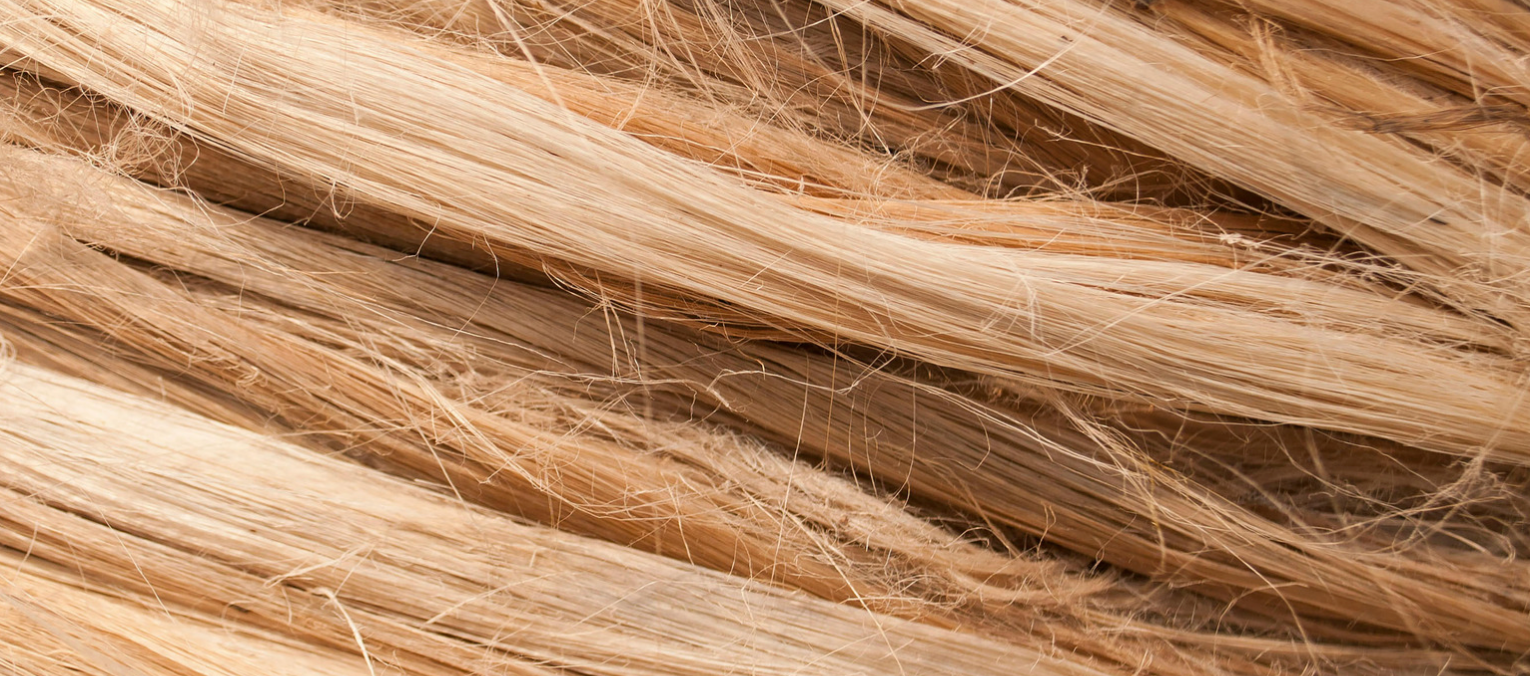
Hair Loss or Hair Shedding? How to Tell the Difference
There is a particular kind of panic that arrives when you look down in the shower and see more hair than usual circling the drain.
Before deciding that you are “losing your hair”, it helps to understand that hair shedding, hair breakage and hair loss are not quite the same thing. They can look similar from a distance, but they have different causes and need different responses.
Some shedding is completely normal
Hair moves through a natural cycle of growth, transition, rest and shedding. The American Academy of Dermatology notes that losing around 50 to 100 hairs a day can be normal. You rarely count them, of course. You simply notice the evidence on your brush, clothing or shower floor.
What matters is a noticeable change from your normal pattern.
Excessive shedding can occur a few months after a significant physical or emotional event. Illness, fever, surgery, childbirth, rapid weight loss, major stress or eating too few calories may all disrupt the hair cycle. This type of shedding is often diffuse, meaning it occurs across the scalp rather than in one sharply defined area.
Hair loss can look different
Hair loss may present as a widening part, a thinner ponytail, recession around the temples, distinct patches or a gradual reduction in density. Causes range from hereditary female pattern hair loss to hormonal changes, thyroid conditions, nutritional deficiencies, autoimmune conditions, medication effects and scalp disease.
That is why “hair loss shampoo” is too simple an answer to a complicated question. A cleanser can care for the environment around the hair, but it cannot diagnose or correct an underlying medical cause.
And sometimes, it is actually breakage
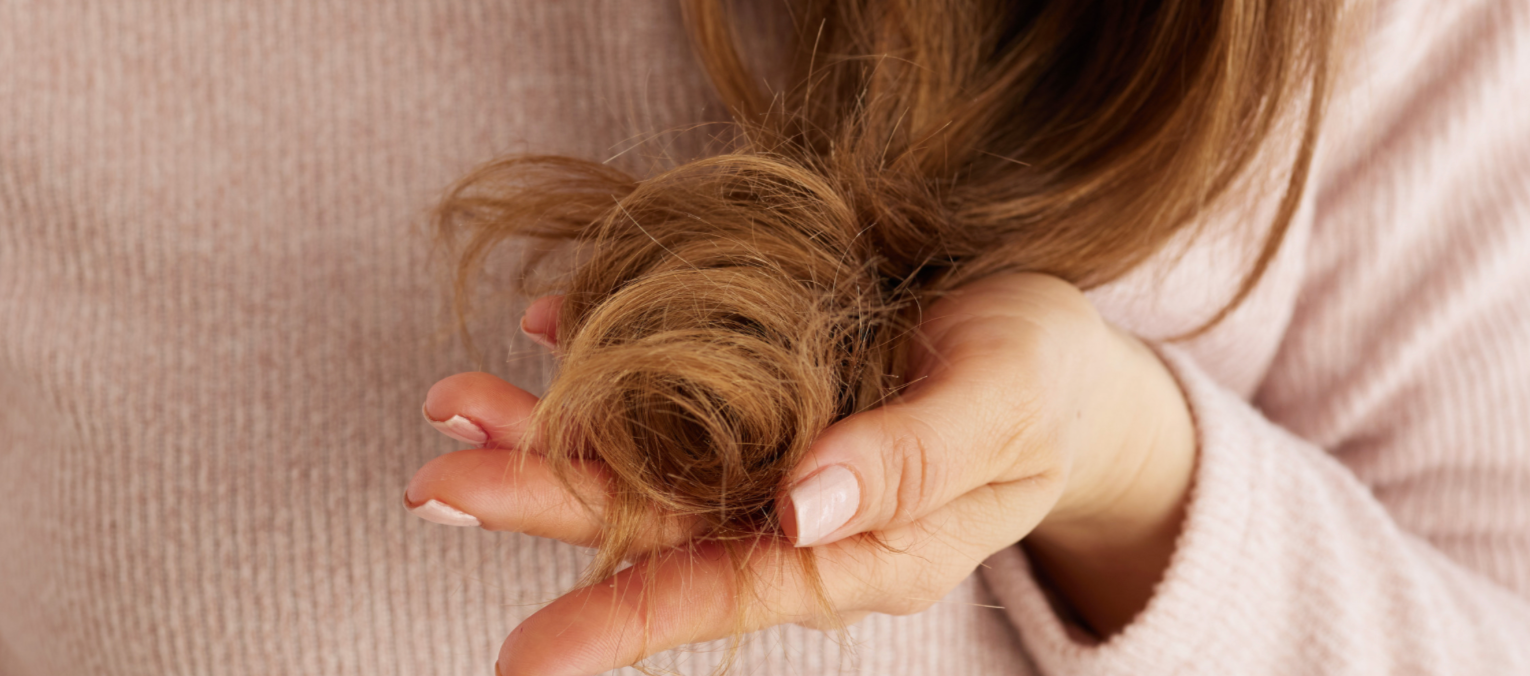
If the hairs you are finding are much shorter than your overall length, have rough or frayed ends, or seem to be snapping through the mid-lengths, you may be dealing with breakage rather than shedding from the root.
Bleaching, repeated colouring, high heat, tight hair ties, rough detangling and friction can all weaken the hair fibre. You may still feel as though your hair is becoming thinner because it is losing length and fullness, even though the follicle itself is still producing hair.
What you can do now
Start with observation rather than panic.
-
Notice whether the change is sudden or gradual.
-
Look for widening through the part, visible patches or recession.
-
Check whether fallen hairs are full-length or broken pieces.
-
Think back two to three months for illness, major stress, childbirth, surgery or rapid dietary change.
-
Treat the hair you still have gently while you investigate the cause.
If shedding is dramatic, persistent, patchy, painful or accompanied by itching, burning, scaling or other symptoms, speak to your GP or a dermatologist. Early diagnosis matters for some types of hair loss.
Where scalp care fits
A clean, comfortable scalp is a sensible foundation for healthy-looking hair, particularly when oil, styling residue and build-up are making the roots feel congested or flat.
SOPHIC Revive Cleanser is a fresh, scalp-focused cleanser with tea tree, designed to remove excess oil and build-up. Use it weekly as a scalp reset, or more regularly if your roots become oily quickly. Follow with the conditioner best suited to your lengths and ends.
It is not a medical treatment for hair loss. It is the practical first step in a considered scalp and hair routine.
Shop the routine: Revive Cleanser + appropriate SOPHIC conditioner


Leave a comment
This site is protected by hCaptcha and the hCaptcha Privacy Policy and Terms of Service apply.