

Oily Scalp and Dry Ends? Here’s What Your Hair Actually Needs
Oily roots and dry ends can make choosing haircare feel unnecessarily complicated. A rich formula softens the lengths but leaves the roots flat. A stronger cleanse freshens the scalp but the ends emerge feeling like they have been personally offended.
The problem is not that your hair cannot make up its mind. Your scalp and your lengths are two different zones, and they may have completely different needs.
Why does the scalp become oily?
The scalp contains sebaceous glands that produce sebum. This natural oil helps support the skin barrier and lubricate the hair, but the amount produced varies between people and can be influenced by genetics, hormones, hair texture, activity, climate and product use.
Fine or straight hair often looks oily sooner because sebum can travel along the fibre more easily and a small amount of oil is more visible when there is less hair volume at the roots. Sweat, frequent exercise, styling products and repeatedly touching the hair can also make roots feel dirty sooner.
Why can the ends still be dry?
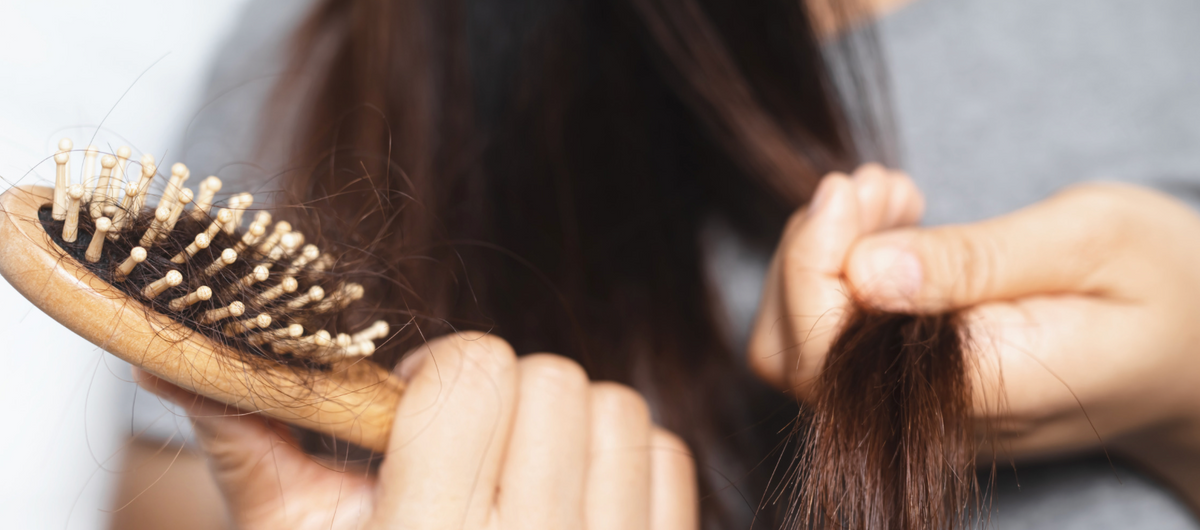
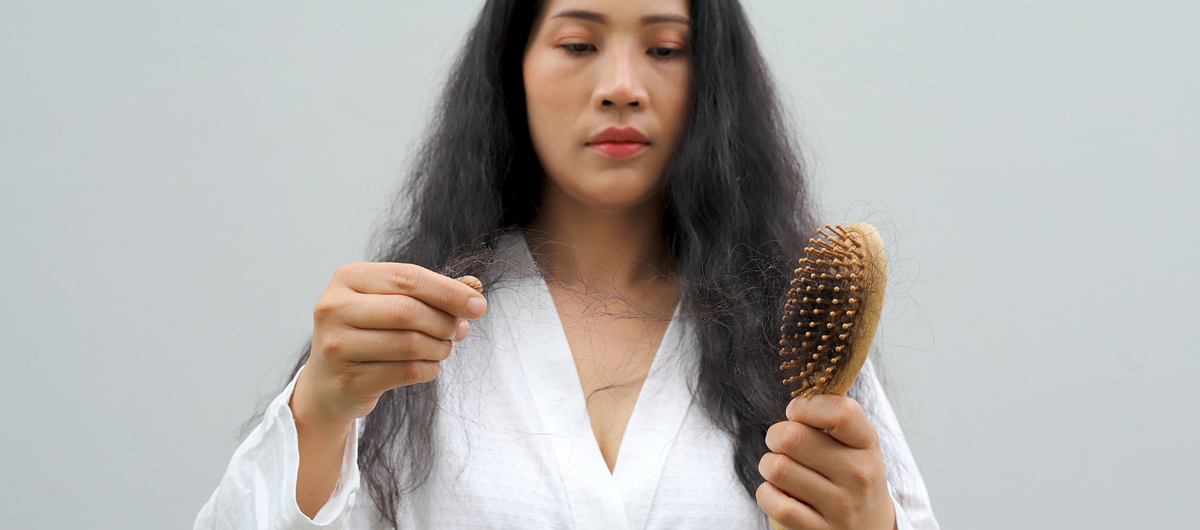
Your ends are the oldest part of your hair. They have experienced more washing, brushing, heat, sunlight, colouring and friction than the newer growth near your scalp.
Natural scalp oil may never travel far enough to lubricate long, curly, coarse or chemically treated lengths. Bleaching and colouring can also increase porosity and leave the fibre more vulnerable to dryness and breakage.
That is how you end up with oil at one end of the strand and dryness at the other.
Are you overwashing or not cleansing enough?
Both are possible, which is why blanket advice is not particularly helpful.
If your scalp is oily, itchy or carrying visible residue, delaying your next wash may simply allow more oil and build-up to accumulate. Dermatologists recommend washing according to how quickly the scalp becomes dirty or oily. For some people with straight hair and an oily scalp, that may mean washing daily.
On the other hand, aggressively scrubbing the entire length every time you cleanse can make already-dry ends feel worse. The solution is not necessarily fewer washes. It may be better placement and technique.
Treat the scalp and ends separately
Cleanse where the oil is
Apply cleanser primarily to the scalp. Massage gently with the pads of your fingers, then allow the lather to run through the lengths as you rinse. There is usually no need to pile long hair on top of the head and scrub it together.
If your roots carry substantial oil or styling build-up, cleanse twice rather than trying to remove everything with one aggressive wash.
SOPHIC Revive Cleanser is designed for scalps and roots that feel oily, limp or congested. Its fresh tea tree character makes it particularly satisfying as a weekly reset, or it can be used more regularly when your scalp needs a proper cleanse.
Condition where the dryness is
Apply conditioner through the mid-lengths and ends rather than automatically coating the scalp. Allow it time to soften the hair, then rinse as directed.
SOPHIC Moisture Conditioner helps care for dry, rough lengths without changing what your scalp needs. If only the final few centimetres feel dry, concentrate it there.
A simple routine for oily roots and dry ends
-
Cleanse the scalp with Revive Cleanser.
-
Repeat if there is significant oil or build-up.
-
Apply Moisture Conditioner through the mid-lengths and ends.
-
Detangle gently and rinse thoroughly.
-
Apply a small amount of Nourish Oil to the ends as needed (unless you have very thin or fine hair, the oil may be too much).
If your scalp is persistently itchy, inflamed, painful or heavily flaking, speak with a GP or dermatologist rather than assuming it is simply oily.
Your scalp and ends do not need to agree. They simply need a routine capable of doing two things at once.

Leave a comment
This site is protected by hCaptcha and the hCaptcha Privacy Policy and Terms of Service apply.