
Menopause Hair Loss: What to Use and What to Avoid
One day, you feel it, a shift. In your mood, in your body, in your sense of self. It’s subtle at first: a restless night here, a flush of heat there. Then, it becomes more persistent, and you're experiencing menopause hair loss. What now?
First: take a deep breath. You are not broken, you are not alone, you are not "losing" anything.
This is not an ending. It’s a transformation.
At SOPHIC, we believe that information is care. So, this blog is not just a guide—it’s a companion. A place for truth, tenderness, and a little light. We’ll walk through what menopause actually is, share expert-backed resources, and talk about something surprisingly important: your hair, your hormones, and your bathroom shelf. Because menopause hair loss is real, and what you put on your body every day deeply matters.
What Is Menopause, really?
Medically, menopause is defined as the point when your periods have stopped for 12 consecutive months. But it rarely feels that clear-cut. For most women, the process begins years earlier during perimenopause, a transitional phase where hormones, particularly estrogen and progesterone, begin to fluctuate (Jean Hailes, 2023).
This hormonal ebb and flow can bring with it:
- Hot flushes and night sweats
- Disturbed sleep
- Mood changes or anxiety
- Vaginal dryness
- Brain fog or forgetfulness
- Changes in libido
- Hair thinning and dry skin
And yes, menopause hair loss is common. In fact, thinning hair or a widening part line can be one of the first visible signs of internal change. You are not imagining it, and you are not alone.
Where to Begin: Trusted Resources for This Chapter
If you’ve been Googling symptoms at 2am or feeling like your GP doesn’t quite get it, you’re not alone. A 2021 survey found that nearly 70% of Australian women felt unprepared for menopause when it began (Menopause Alliance, 2023). The internet is full of conflicting advice, so we recommend starting with expert-backed, evidence-based resources like:
Australasian Menopause Society – Fact Sheets
Jean Hailes for Women’s Health – Menopause Information
Better Health Channel – Menopause
The Royal Women’s Hospital – Menopause Overview
RACGP – Making Choices at Menopause
Menopause Alliance – Myths and Facts
These are the places to find clarity. Save them. Share them. Start there.
Menopause Hair Loss: What’s Really Happening?
Let’s talk about something many women notice, but few talk about: menopause hair loss.
As estrogen declines, hair can become thinner, drier, and more brittle. Many women also notice increased shedding or patchy thinning at the crown. This is one of the most common symptoms of hormonal change, and yet, it’s often met with silence.
So, can hair grow back after menopausal hair loss? In many cases, yes. With the right care, consistency, and hormone-safe products, many women find that their hair begins to recover strength, shine, and fullness. But it takes more than hope, it takes intention.
Best Shampoo for Menopause Hair?
Most mainstream haircare wasn’t made for you. It’s formulated for youthful scalps with steady hormones, not the nuanced needs of midlife.
Many products still contain:
- Parabens – preservatives that mimic estrogen and may confuse your natural hormone balance (Better Health Channel, 2023)
- SLS – a harsh foaming agent that can dry and irritate the scalp
- Synthetic fragrance – often containing phthalates, a known endocrine disruptor
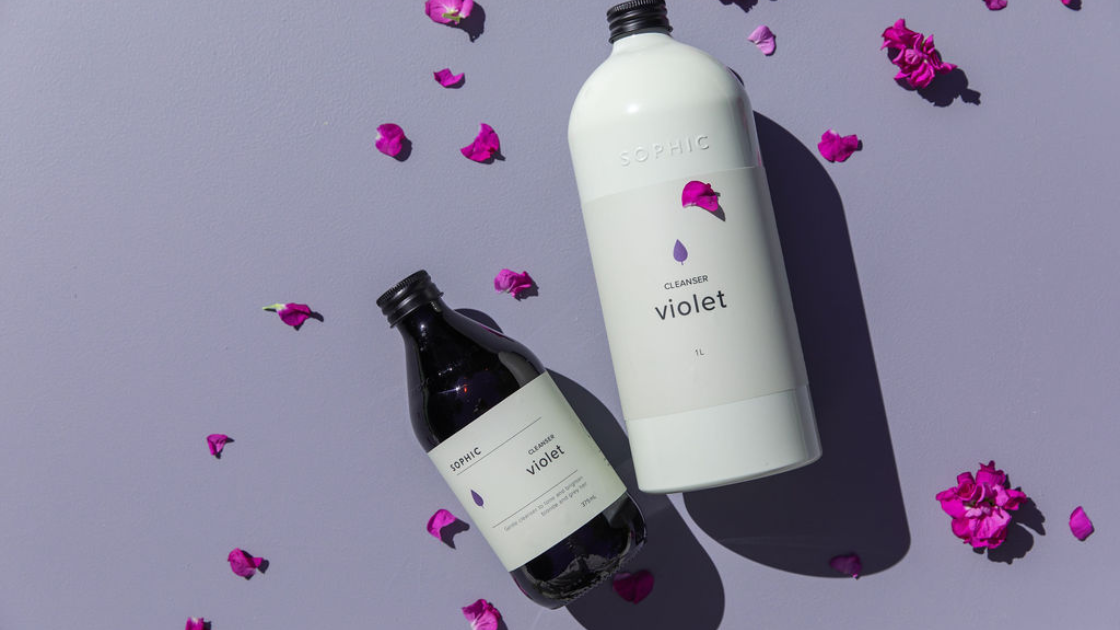
So, what shampoo should I use for menopause hair? Choose one that is sulfate-free, hormone-safe, and deeply hydrating. Look for ingredients that support scalp health and avoid harsh synthetics. At SOPHIC, we create formulas that do exactly that, with zero endocrine disruptors, ever.
What Is the Best Thing for Menopausal Hair?
The best thing you can do for your hair during menopause is this: nourish the root.
That means choosing gentle, pH-balanced products. Protecting your scalp’s microbiome. Avoiding heat tools. And switching to formulas that calm inflammation, restore moisture, and support healthy regrowth. If you’re asking, do I need special shampoo for menopause? The answer is yes. But not because you’re high-maintenance, because your body is evolving, and it needs care to match.
How to Make Your Hair Silky After Menopause?
Hydration is everything. During and after menopause, the sebaceous glands in your scalp produce less oil, which means your hair gets drier, faster. To regain that silky softness, swap stripping shampoos for nourishing ones, and use lightweight oils or leave-in conditioners that feed the cuticle, without coating it in silicone.
What to use on menopausal hair? Natural oils like jojoba or macadamia, plus protein-rich ingredients like hydrolyzed jojoba esters, can replenish elasticity and shine without overwhelming the strand.
Menopause Hair Loss and Your Bathroom Shelf
Your hair’s health is a mirror of what’s happening inside. But it’s also a reflection of how you care for yourself on the outside.
And here’s where your bathroom shelf matters more than you think.
Your skin, and your scalp, are absorbent. Especially now. And during menopause, when estrogen is in flux, products containing endocrine-disrupting chemicals can subtly interfere with your body’s natural rhythms. They don’t belong in your daily routine, especially if you’re working to support hair regrowth and hormone harmony.
That’s why menopause hair loss isn’t just a cosmetic concern, it’s a wellness one.
SOPHIC: Thoughtful Haircare for Changing Bodies
At SOPHIC, we’ve made it our mission to care for women during moments of change.
Our formulas are:
- Free from parabens, phthalates, and SLS
- Made with nutrient-rich botanicals like aleo vera, argan, and jojoba
- Clinically respectful of hormonal changes
- Beautiful to use, with subtle natural scent and nourishing feel
We don’t promise miracles. We promise integrity. Because your hair deserves more than marketing, it deserves science, softness, and soul.
You’re Not Losing. You’re Rebalancing.
This chapter isn’t about loss. It’s about return. Return to self, return to softness, return to the kind of care that says: I’m still here. And I’m worth looking after.
You are not alone, you are not behind, and you are becoming more you than ever.
Let your hair be part of that return. Let SOPHIC be part of that care. Explore our range today.
References
Australasian Menopause Society. (2023). Fact Sheets. Retrieved from https://menopause.org.au/health-info/fact-sheets
Better Health Channel. (2023). Menopause. Retrieved from https://www.betterhealth.vic.gov.au/health/conditionsandtreatments/menopause
Jean Hailes for Women’s Health. (2023). Menopause Resources. Retrieved from https://www.jeanhailes.org.au/resources/menopause
Menopause Alliance. (2023). Menopause Myths and Facts. Retrieved from https://menopausealliance.au/menopause/menopause-myths-and-facts/
RACGP. (2019). Making Choices at Menopause. Retrieved from https://www1.racgp.org.au/ajgp/2019/july/making-choices-at-menopause
The Royal Women’s Hospital. (2022). Menopause – An Overview. Retrieved from https://www.thewomens.org.au/health-information/menopause-information/menopause-an-overview


Leave a comment
This site is protected by hCaptcha and the hCaptcha Privacy Policy and Terms of Service apply.